
Organic and paid social media: the perfect combo
Organic builds trust. Paid extends reach. This chapter covers how the two work together and how to find the right balance for your business.
The Six Pillars

4 min read

Organic social media builds your reputation. Paid social media extends your reach. You need both, and they work best together.
Organic content (the posts you publish without paying to promote them) is how you build trust, demonstrate expertise, and stay visible to your existing audience. It's the foundation of your social media presence. Without it, your pages look empty and your brand feels absent.
But organic reach has real limits. Facebook shows your posts to roughly 5% of your followers. LinkedIn's feed is crowded with paid content, editorial features, and algorithm-driven recommendations. Even great organic content only reaches a fraction of the people who might benefit from it.
Paid ads solve that. They put your content in front of precisely targeted audiences, by job title, industry, company size, location, or interests. This is how you reach people who don't follow you yet but match your ideal client profile.

A common guideline: no more than 1 in 7 posts should be directly promotional. The rest should educate, inspire, or entertain. This applies to both organic and paid — even your ads perform better when they lead with value rather than a hard sell.
For most B2B service firms, a practical approach looks like this: build a consistent organic posting schedule (2-4 posts per week), then boost your best-performing posts with a small paid budget. This way you're amplifying content that's already proven to resonate, rather than guessing what will work as an ad.
Testersuite uses Willow's link tracking to identify which organic posts drive the most website visits. Those insights inform which content is worth putting paid spend behind.
Organic content builds the relationship. It's how your existing audience experiences your brand over time. The posts that share insights, tell stories, celebrate team milestones, and respond to industry developments — these create the trust that makes someone eventually choose you over a competitor.
Organic content also powers employer branding.
And organic content feeds your paid strategy. The topics, formats, and messages that perform well organically are your best starting point for paid campaigns.
Paid social media extends your message beyond your existing followers. LinkedIn ads let you target by job title, company size, industry, and location — ideal for B2B. Facebook ads offer detailed interest and behaviour targeting at a lower cost per click.
Paid is especially useful for specific campaigns: promoting an event, launching a service, driving downloads of a resource, or reaching a new market segment. These are moments where organic reach alone won't be enough.
Start small. Even a few hundred euros per month can make a meaningful difference when the targeting is right. Test different audiences and messages, measure the results, and scale what works.
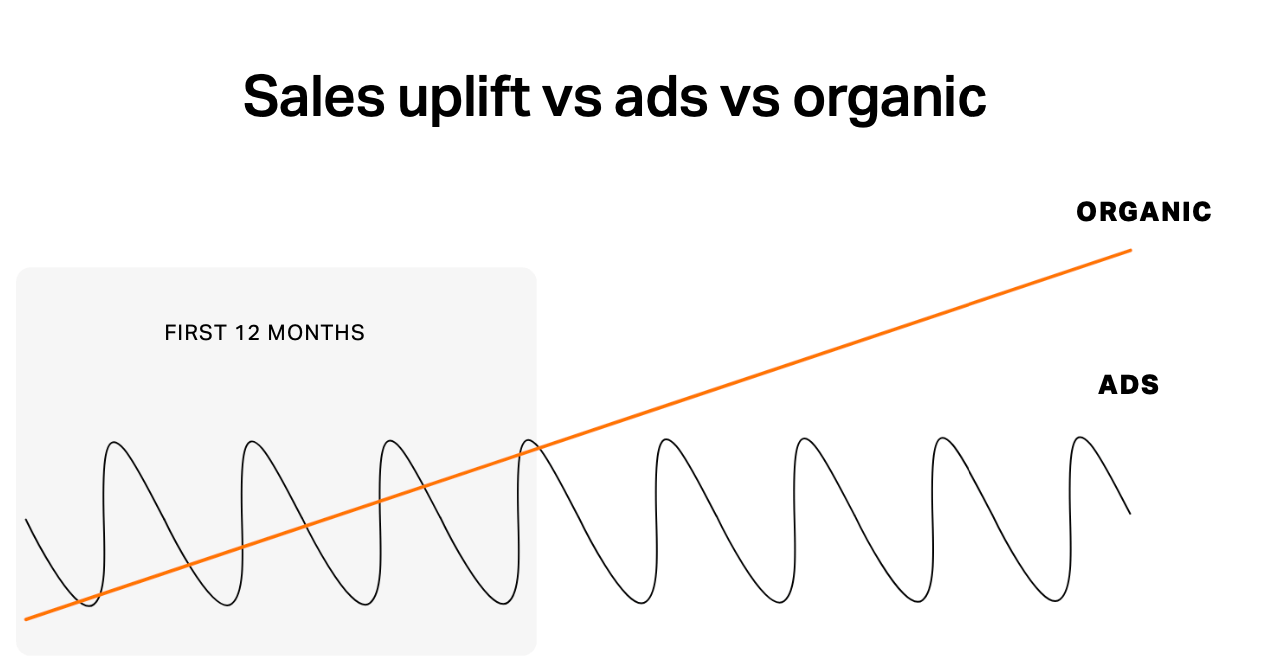
The firms that get the best results from social media use organic and paid as complementary channels, not competing ones. Organic builds the foundation of trust and expertise. Paid amplifies the best of that content to wider, targeted audiences.
When someone sees your ad, they'll likely check your profile or page. If they find a consistent stream of valuable organic content, they're far more likely to engage, follow, or reach out. An ad landing on an empty page with no recent posts undermines the investment.
Build organic first. Add paid when you're ready to scale. And always let your organic performance data guide your paid decisions.


